
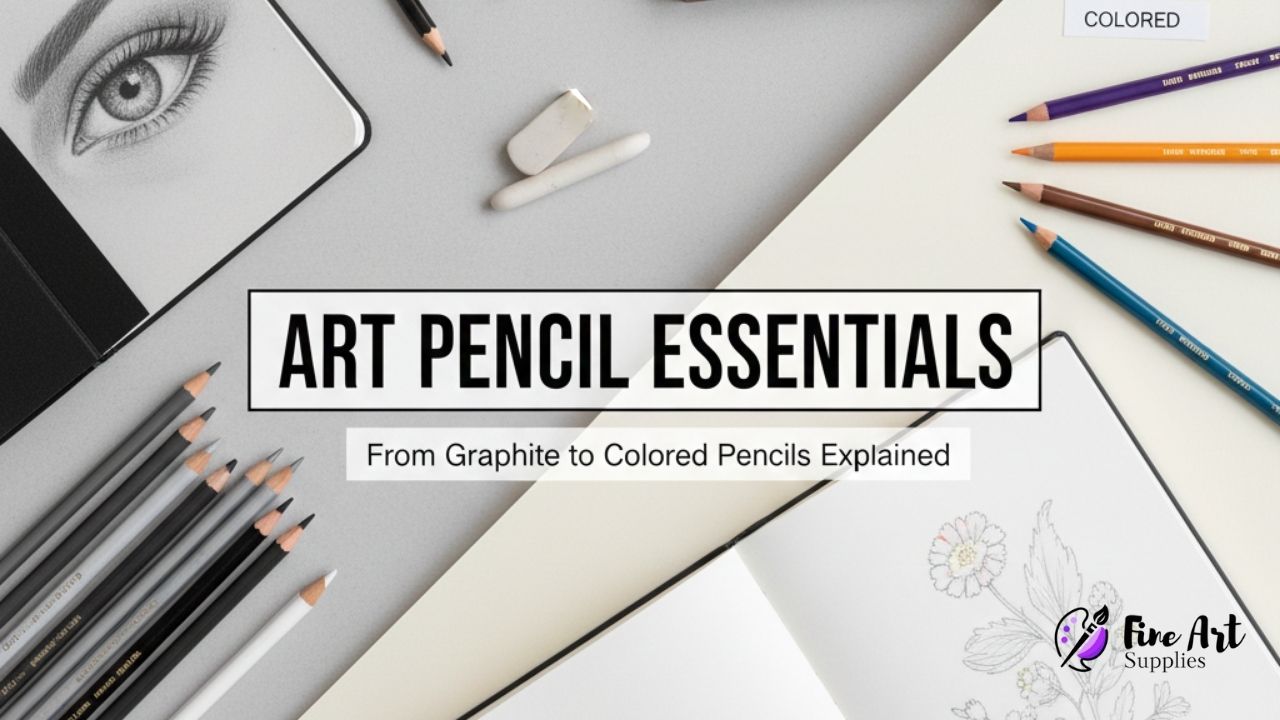
Art Pencil Essentials: From Graphite to Colored Pencils Explained
Along the way, you’ll also discover how art pencils integrate into your broader kit, including the right Art Accessories that elevate your results.
What Makes Art Pencils Unique?
At their core, art pencils consist of pigment and binders encased in wood. But subtle differences in composition make each type suited to specific tasks:
-
Graphite pencils offer a range from light to dark values.
-
Colored pencils deliver vibrant hues with layering potential.
-
Watercolor pencils add a blend of dry drawing and wash effects.
Understanding these tools empowers creative control allowing you to sketch dynamic lines, build form through shading, or introduce rich color tones into your work.
Graphite Pencils: The Foundation for Sketching
Graphite pencils form the backbone of traditional drawing and sketching. Their strength lies in versatility a single pencil can produce fine lines, broad shading, or subtle gradients depending on pressure and stroke.
How Graphite Grading Works
Graphite pencils are graded on a scale from H (harder, lighter) to B (softer, darker):
-
H grades (2H, 4H, etc.) produce lighter marks, ideal for detailed lines and preliminary sketches.
-
HB a balanced middle ground, suitable for general drawing.
-
B grades (2B, 6B, etc.) richer, darker tones for expressive shading and texture.
For beginners and students, a set that spans from 2H to 6B gives flexibility across most mediums.
Graphite work forms a strong foundation before adding color or mixed media elements. As you refine shading and form, consider pairing your pencils with proper Art Tools And Wire like sharpeners and rulers quality tools support precision.
Colored Pencils: Adding Hue and Depth
While graphite defines form and value, colored pencils introduce vibrant color that can express mood, texture, and realism. Unlike basic crayons, artist‑grade colored pencils offer superior color saturation, lightfastness, and layering capacity.
Key Benefits of Colored Pencils
Colored pencils allow artists to:
-
Build color gradually
-
Blend hues smoothly
-
Add detailed color highlights
When beginning, look for pencils with rich pigment and creamy lay‑down. Practice layering light shades first before pressing harder this preserves pencil integrity and delivers smoother transitions.
Colored pencil techniques pair beautifully with graphite underdrawings, giving depth and structure to your final piece.
Watercolor Pencils: Hybrid Creativity
Watercolor pencils bridge traditional dry drawing and water‑based painting. After laying down lines or shading, a wet brush transforms marks into soft washes perfect for landscapes or expressive portraits.
This hybrid tool encourages experimentation. Beginners often discover endless possibilities combining dry pencil strokes with fluid water effects without needing a full paint setup.
How to Build Your Art Pencil Kit
A thoughtfully assembled kit makes drawing and color work more efficient and joyful. Here’s what to consider:
-
Graphite range (2H to 6B minimum)
-
A set of quality colored pencils
-
Watercolor pencils (optional for mixed media)
-
Good sharpener and soft eraser
-
Durable sketchbook with textured paper
Your art pencil collection becomes the cornerstone of your supplies the gateway to visual expression and technical growth.
If you’re stocking up or upgrading tools, check out a curated selection of Art Pencil options from student‑grade to professional sets that cater to all skill levels.
Tips for Beginners: Techniques That Build Skill
Start with Light Sketching
Light lines allow you to refine proportions before committing to darker shading or color. Use higher‑graded graphite (like 2H or HB) for initial work.
Master Shading and Blending
Focus on stroke direction, value control, and layering. Softer pencils (B grades) add richness, while blending gently with a clean fingertip or paper stump adds smooth transitions.
Practice Color Layering
With colored pencils, lay down base colors lightly and build up saturation gradually. Explore blending complementary hues to achieve depth and richness.
Caring for Your Pencils and Tools
Proper care extends the life of your pencils:
-
Sharpen slowly to avoid breaking leads
-
Store them in a case to prevent damage
-
Clean your erasers and tools regularly
Maintaining your tools ensures consistent performance especially important for pieces requiring fine detail.
And remember, alongside pencils, quality art accessories like erasers, sharpeners, and blending tools influence your artistic experience.
Choosing Between Pencil Types
|
Pencil Type |
Best For |
Strengths |
|
Graphite |
Sketching, values |
Strong for form and texture |
|
Colored |
Color work, details |
Rich hues, layering potential |
|
Watercolor |
Mixed media washes |
Transformable with water |
Each pencil type serves a purpose. Understanding their characteristics informs your creative choices.
Frequently Asked Questions
What pencils are best for beginners in art?
Beginners benefit from a range from 2H to 6B graphite pencils and a basic set of colored pencils to explore color mixing and layering.
Can I mix graphite and colored pencils in the same drawing?
Yes many artists sketch in graphite first, then layer colored pencils on top for richer results.
What is the difference between colored and watercolor pencils?
Colored pencils remain dry and layered for color intensity; watercolor pencils activate with water to create soft paint‑like washes.
How do I sharpen pencils without breaking the lead?
Use a quality sharpener and turn the pencil slowly, avoiding pressure that can snap softer leads.
Are professional pencils worth the investment?
For students and serious artists, professional pencils offer superior pigment, durability, and performance noticeable in final artwork.