
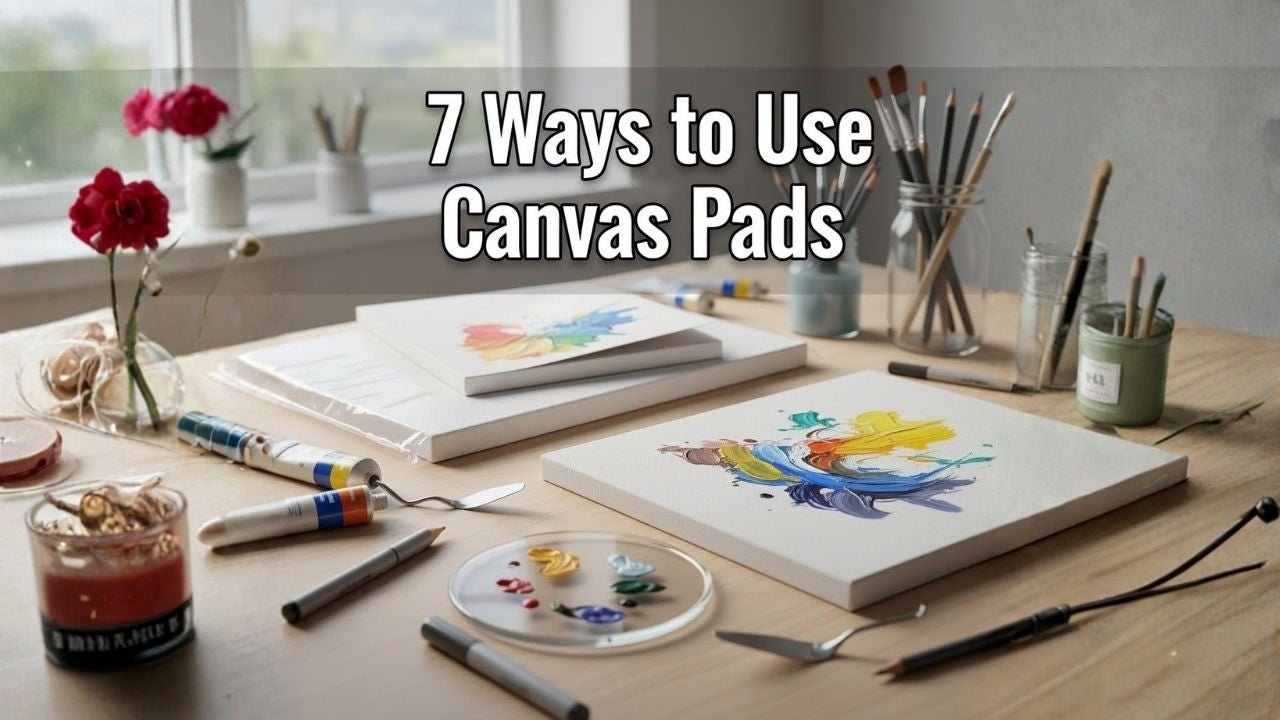
Canvas pads have become one of the most versatile and artist-friendly surfaces for painters, illustrators, students, and mixed-media creators in Pakistan. Whether you’re an emerging artist or a seasoned professional, a high-quality canvas pad gives you the freedom to experiment without the cost or storage challenges of traditional stretched canvases. And with the growing awareness of professional-grade art surfaces, more artists now rely on canvas pads for practice, portfolio work, commissions, and travel-friendly art sessions.
Before we explore the top creative uses, it’s important to highlight where quality truly matters. Many artists in Pakistan struggle with issues like paint seeping, buckling pages, or uneven texture usually because of low-quality surfaces. This is exactly why professional creators prefer trusted art stores like fine art supplies that offer curated materials known for durability and texture consistency.
Let’s dive into the top 7 ways you can use canvas pads for your artistic journey and get more out of every sheet.
Top 7 Ways to Use Canvas Pads for Painting, Sketching & Mixed Media
1. Practice Acrylic Techniques Without Wasting Expensive Canvases
Acrylic artists love canvas pads because they mimic the texture of a stretched canvas but are far more affordable to practice on. Whether it's layering, dry brushing, glazing, or detailed realism work, canvas pads allow you to experiment freely.
High-quality pads absorb acrylics evenly, giving you reliable results that help improve technique over time. This is especially helpful for students developing a signature style before switching to bigger canvases.
You can explore a variety of professional-grade canvas pads available in Pakistan through the canvas-pads collection to elevate your daily practice sessions.
2. Perfect Surface for Pencil and Charcoal Sketching
Though many assume canvas is only for paints, its toothy texture makes it surprisingly effective for charcoal, graphite, and tinted sketching techniques. The slight grain of the surface enhances shadow-building and depth.
Artists who struggle with smooth sketchbook pages often switch to canvas pads for advanced sketching because the texture brings out realistic forms and expressive shading—something traditional paper cannot deliver.
If you prefer smoother surfaces for mixed sketching habits, pairing a canvas pad with a drawing-pad offers the perfect combination for portfolio-quality sketches.
3. Mixed Media Experiments (Gouache, Ink, Pastels & Markers)
Canvas pads are strong enough to hold multiple layers of wet and dry media. You can use them for gouache illustrations, alcohol markers, soft pastels, or even India ink washes. The sheets can handle moisture without tearing, making them ideal for experimental artists.
Artists exploring poster colors, gouache layering, or ink precision often refer to educational resources like the guide on preventing paint issues and texture problems, such as the insights shared in this blog about Best Canvas Brands in Pakistan for Professional Artists, which helps you avoid common mistakes.
4. Travel-Friendly Painting Surface for Outdoor Artists
Canvas pads are lightweight, flat, and easy to carry—making them the preferred choice for plein-air artists. Unlike stretched canvases, they don’t take space and don’t get damaged easily inside backpacks.
Outdoor painters enjoy canvas pads because:
-
They dry quickly
-
They prevent warping
-
They allow multiple pieces in one session
If you're constantly gathering field studies, a canvas pad is a must-have.
5. Ideal for Teaching & Classroom Demonstrations
Art instructors across Pakistan use canvas pads for live demonstrations. Since each sheet can be detached, you can display, photograph, or
store classwork without needing bulky frames.
Students also benefit from the ability to work on multiple sheets during a lesson—testing different strokes, textures, and techniques before committing to their final piece.
6. Perfect for Practicing Underpainting & Color Theory
Canvas pads are perfect for artists who want to improve their foundational skills—especially underpainting techniques like grisaille, verdaccio, and tonal mapping.
These sheets are great for daily drill work:
-
Testing color palettes
-
Practicing blending
-
Creating swatch charts
-
Studying light and shadow
Because the surface reacts similarly to a real canvas, the learning translates directly to professional-level paintings.
7. Creating Sellable Art Without Using Heavy Canvases
A major benefit of canvas pads is that the artwork you create on them can be:
-
Framed
-
Mounted
-
Exhibited
-
Sold to clients
Many professional artists use canvas pads for commissions because they allow customization, quick delivery, and safe shipping.
Your completed artwork can be mounted onto a board or framed behind glass to achieve a gallery-finished look. This makes canvas pads ideal for artists building new collections for exhibitions or online sales.
Why Canvas Pads Are Becoming the #1 Choice for Modern Artists in Pakistan
Canvas pads are gaining popularity because they solve major pain points—limited space, budget restrictions, transport issues, and material waste. Professional artists now prefer them for experimenting and refining techniques.
Stores like Fine Art Supplies, known for curating top global art brands and expert guidance, ensure that artists find surfaces that are durable, reliable, and truly professional-grade.
Whether you’re working with acrylics, gouache, pencil, or mixed media, a canvas pad lets you explore your creativity with confidence.
FAQs
Q1: Are canvas pads good for beginners?
Absolutely. They provide a forgiving surface and help beginners learn without stressing about canvas costs.
Q2: Can I use oil paints on canvas pads?
Yes most canvas pads are primed and suitable for oil paints, but always verify product details.
Q3: Do canvas pads need extra priming?
Most are pre-primed with gesso, but you can add more layers for specific textures.
Q4: Can I frame artwork made on canvas pads?
Yes, they can be framed just like canvas sheets or mounted for a professional look.
Q5: Are canvas pads better than stretched canvases?
For practice and experimentation—yes. For final exhibition work, both have their place.